
Shingles Vaccine Side Effects: 2–3 Day Timeline and When to Seek Care
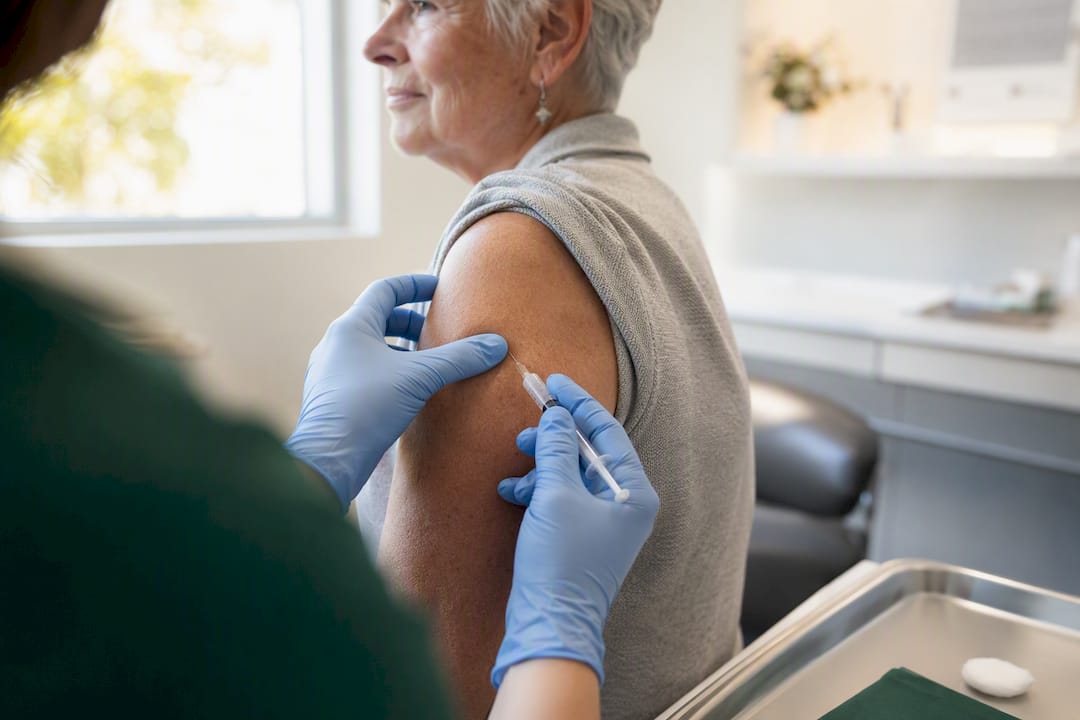
Most people who get the shingles vaccine feel a sore arm, some fatigue, and maybe a headache for a day or two, then it passes. Serious reactions like anaphylaxis or Guillain-Barré syndrome are extremely rare. If you have severe or lasting symptoms, contact a healthcare provider, and complete both doses unless advised otherwise.
TL;DR:
- Most side effects, including pain, fatigue, headache, and fever, begin within 24 to 48 hours and usually last only two to three days.
- Younger adults tend to experience more intense immune reactions, with severe reactions affecting about 10% of recipients, mainly after the first dose.
- The second dose is scheduled between one and six months after the first, with no need to restart if the interval extends beyond six months.
- Serious adverse events like Guillain-Barré syndrome and anaphylaxis are extremely rare, and most reactions are signs of immune activation rather than danger.
- People with allergies to previous doses, active shingles, pregnancy, or severe illness should delay vaccination and consult their healthcare provider.
Table of Contents
- Common Local and Systemic Shingles Vaccine Side Effects
- When Do Shingles Vaccine Side Effects Start, and How Long Do They Last?
- Rare but Serious Shingles Vaccine Reactions
- Who Should Get the Shingles Vaccine, and Who Should Wait
- Managing Shingles Vaccine Side Effects at Home
- What to Do If You Have a Reaction: Reporting and Next Steps
- Garden State Medical Group’s Perspective on Vaccine Decisions
- Get Personalized Vaccine Guidance at Garden State Medical Group
- Sources
- FAQ
Common Local and Systemic Shingles Vaccine Side Effects
Injection-site pain is the reaction you’re most likely to notice. About 78% of Shingrix recipients in clinical trials reported pain at the injection spot, along with redness and swelling in some cases. These local reactions usually show up before the systemic ones do.
Beyond the arm, the vaccine tends to trigger a body-wide response. That’s actually a sign your immune system is doing its job.
- Fatigue and muscle pain, each reported by roughly 45% of recipients
- Headache, reported by about 38%
- Shivering (around 27%) and fever (around 21%)
- Gastrointestinal symptoms like nausea or stomach upset in about 17%
Grade-3 reactions (severe enough to interfere with daily activities for a day or so) hit around 1 in 10 people for some measures. Younger adults report these reactions more often than people over 70, which lines up with how immune response generally works: younger immune systems tend to react more vigorously to a vaccine challenge.
When Do Shingles Vaccine Side Effects Start, and How Long Do They Last?
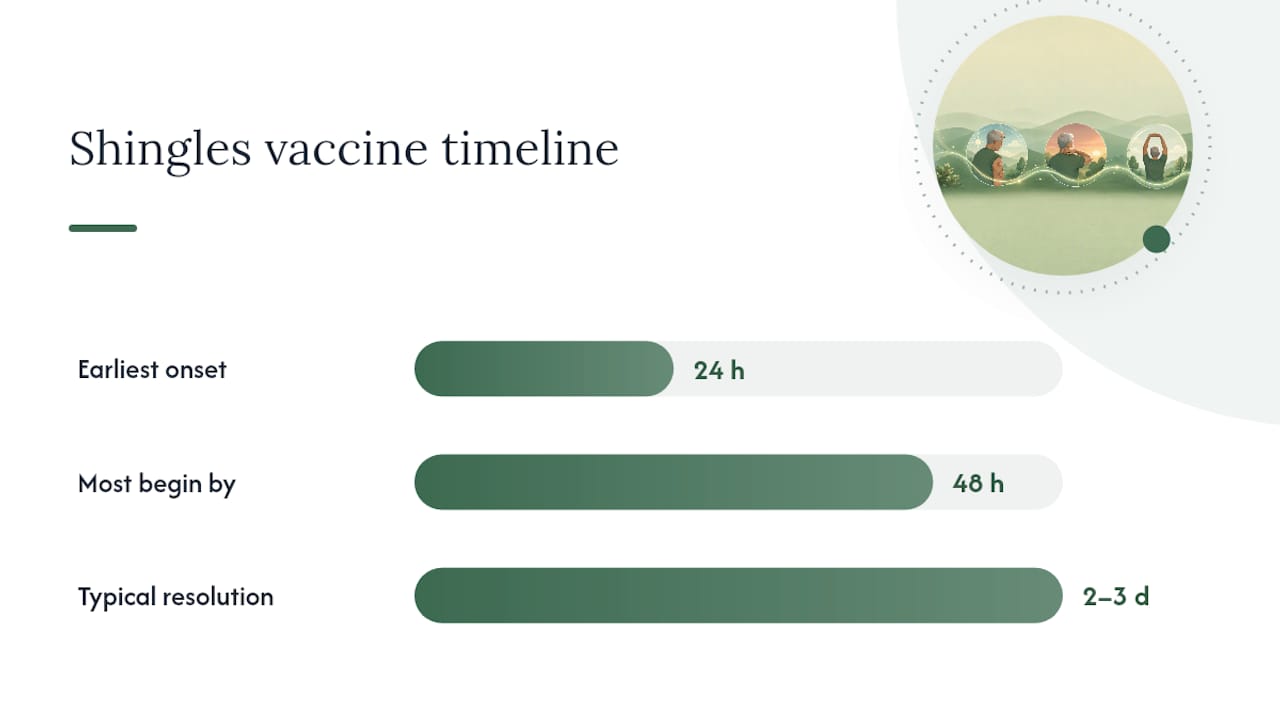
Most reactions begin within 24 to 48 hours of the shot and clear up within 2 to 3 days. That timeline holds for both local pain and the systemic symptoms like fatigue or headache.
The bigger planning question is usually about the second dose. Here’s how the schedule works:
- Standard interval: Most adults get dose two 2 to 6 months after dose one.
- Shortened interval: Adults who are or will be immunocompromised can get dose two just 1 to 2 months after the first, since they may need faster protection.
- Missed window: If you go past 6 months without getting dose two, get it as soon as you can. You do not need to restart the series.
- Second-dose reaction: Evidence doesn’t show dose two is reliably worse than dose one. Some people react more the second time, some less. Clinicians generally recommend finishing the series even if dose one caused a noticeable reaction, since a reaction to the first shot rarely signals a problem with the second.
Rare but Serious Shingles Vaccine Reactions
Serious adverse events are uncommon enough that trials found similar rates of serious reactions in vaccine and placebo groups. That’s a meaningful data point: the discomfort most people feel isn’t a sign of danger, it’s a sign of an active immune response.
Still, a few rare events are worth knowing about:
- Guillain-Barré syndrome (GBS): Postmarketing safety monitoring found a small increase in GBS cases within 42 days of vaccination in some analyses, though the excess risk is very low.
- Anaphylaxis: Severe allergic reactions are extremely rare, but they can happen within minutes, which is why clinics ask you to stay for monitoring after your shot.
- Syncope (fainting): Fainting after an injection is a known reaction to vaccines generally, which is why many clinics have you sit for observation afterward.
Compare that to what shingles itself can do. Untreated shingles cause weeks of nerve pain, and roughly 1 in 5 people go on to develop postherpetic neuralgia, chronic pain that can last months or years. The vaccine’s risks are small next to that.
Who Should Get the Shingles Vaccine, and Who Should Wait
The CDC recommends two doses of the recombinant zoster vaccine (RZV) for adults 50 and older, and for adults 19 and older who are or will become immunodeficient or immunosuppressed. That second group matters because shingles risk climbs sharply once the immune system weakens, whether from age, illness, or medication.
Some situations call for waiting or skipping the shot entirely:
- Contraindication: A severe allergic reaction to a previous dose or to any vaccine component rules out further doses.
- Active shingles episode: Wait until the current outbreak resolves before vaccinating.
- Pregnancy: Current guidance advises against vaccination during pregnancy.
- Moderate to severe acute illness: Wait until you recover before getting the shot.
- Immunosuppressive therapy: Not an automatic disqualifier, but timing often needs to be personalized with your provider.
If any of these apply to you, talk with your provider before scheduling. Timing genuinely matters here.
Managing Shingles Vaccine Side Effects at Home
Most reactions respond well to basic home care, the same steps you’d use for a mild flu. Over-the-counter pain relievers like acetaminophen or ibuprofen can ease muscle aches, headache, and fever. Neither drug prevents side effects, but both can make the two-day window more comfortable.
A few other things help:
- Apply a cold compress to the injection site for swelling and soreness.
- Rest and drink plenty of fluids, especially if you feel feverish or fatigued.
- Skip strenuous exercise for a day if you’re feeling run down.
- Avoid driving if you feel dizzy or lightheaded after your shot.
Pro Tip: If you’re worried about a rough day or two, schedule your shot for a Friday or the start of a light workweek so you have time to rest without disrupting your routine.
What to Do If You Have a Reaction: Reporting and Next Steps
Call 911 immediately for signs of anaphylaxis: difficulty breathing, swelling of the face or throat, or a rapid drop in blood pressure. These reactions typically show up within minutes of the shot, which is why observation matters.
For less urgent but still concerning symptoms, like persistent tingling, weakness, or symptoms lasting well beyond 3 days, contact your provider.
- Call your clinician for neurologic symptoms, symptoms lasting more than a few days, or anything that feels off.
- Report suspected adverse events to VAERS, the national system that helps track vaccine safety signals clinical trials can’t catch.
- Keep a note of what you experienced and when, it helps with both reporting and planning dose two.
Garden State Medical Group’s Perspective on Vaccine Decisions
Deciding on the shingles vaccine isn’t just a yes-or-no question. It’s a timing question, a health-history question, and sometimes a “what medication am I on” question. Garden State Medical Group approaches it that way, folding vaccine counseling into the same primary care and chronic disease management conversations we already have with patients managing diabetes, heart disease, or lung conditions.
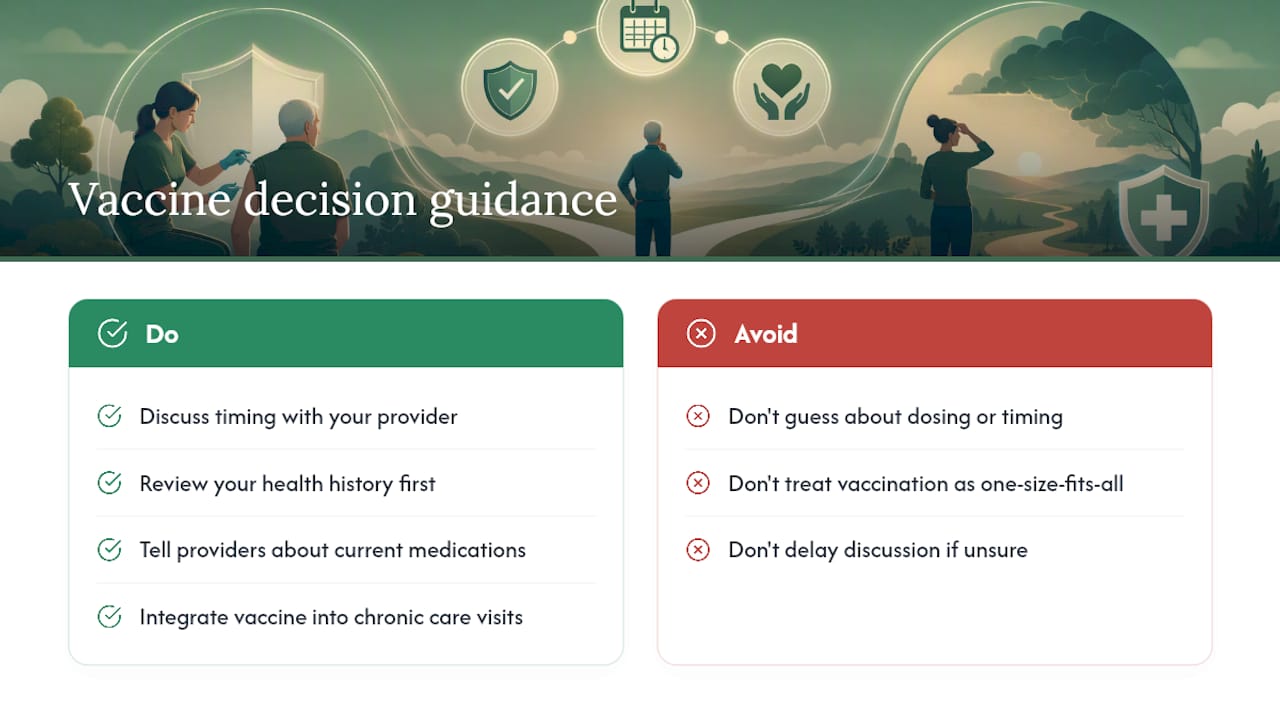
That matters because the people who benefit most from the shingles vaccine, older adults and those with weakened immune systems, are often the same patients juggling multiple prescriptions and health programs. A one-size-fits-all vaccine conversation doesn’t serve them well.
If you’re unsure about timing, dosing intervals, or how the vaccine fits with your other conditions, schedule a conversation with your provider rather than guessing.
— Garden State Medical Group
Get Personalized Vaccine Guidance at Garden State Medical Group
A direct line to a provider familiar with your health history can help ensure vaccine timing decisions are personalized, rather than based on researching contraindications alone or guessing about medication effects.
Our primary care team handles shingles vaccination alongside broader preventive care, and can help you weigh timing against any chronic conditions you’re managing. If you need documentation of your vaccination status for work, travel, or immigration purposes, we can help with that too. Book an appointment with our North Bergen or Secaucus office to talk through your options and get vaccinated with a provider who can monitor you afterward.
Sources
- Shingles Vaccination | Shingles (Herpes Zoster) | CDC
- Shingles (Herpes Zoster) Vaccine Safety | CDC
- Vaccine Adverse Event Reporting System (VAERS)
This article is general information, not a substitute for advice from a qualified doctor. Consult a qualified healthcare professional about your own circumstances before acting on anything here.
FAQ
How Soon After the Shingles Vaccine Do You Feel Sick?
Most people notice symptoms within 24 to 48 hours of getting the shot, and these typically resolve within 2 to 3 days.
What Is the Controversy With the Shingles Shot?
The main safety debate centers on a small, rare increase in Guillain-Barré syndrome cases observed in some postmarketing studies, though the excess risk remains very low compared to the vaccine’s protective benefit.
What Should You Avoid After the Shingles Vaccine?
Avoid strenuous exercise if you’re feeling fatigued, and don’t drive if you feel dizzy or lightheaded; otherwise, most normal activities are fine.
Are the Side Effects of the Second Shingrix Shot Worse Than the First?
Not reliably. Evidence doesn’t show a consistent pattern of the second dose being worse, and providers generally recommend completing the series even after a reaction to dose one.