
How to Prepare for a Health Screening: Your Guide
TL;DR:
- Proper preparation for health screenings involves organizing your medical history, following fasting instructions, and packing essential documents to ensure accurate results. Knowing specific dietary and medication guidelines for each test, wearing appropriate clothing, and scheduling follow-up consultations in advance enhance the overall experience. Thorough readiness minimizes repeat tests, accelerates diagnosis, and allows your provider to make informed healthcare decisions effectively.
Health screening preparation is defined as the deliberate steps you take before a medical appointment to give your provider accurate information and help tests produce reliable results. When you know how to prepare for a health screening, you reduce the chance of needing repeat tests, cut appointment time, and give your doctor the full picture needed to make sound decisions. Common screenings include fasting blood panels, lipid tests, physical exams, and preventive visits such as Medicare annual wellness visits. Each type has specific requirements, and understanding them ahead of time makes the entire process smoother and more productive.
How to prepare for a health screening: gathering your medical information

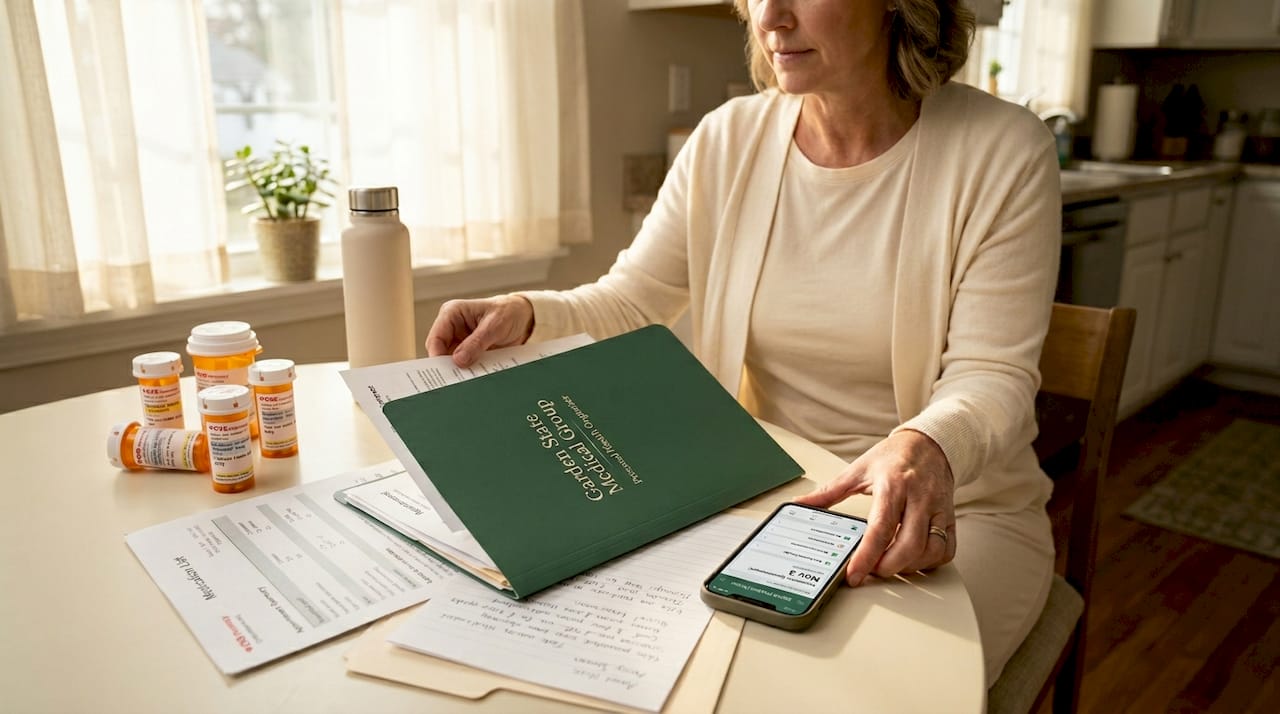
The single most valuable thing you can bring to any screening is a complete, organized record of your personal health history. Providers use this information to decide which tests are relevant, which results need closer attention, and whether your current medications might affect lab values. Arriving without this information forces your provider to work with incomplete data, which can lead to unnecessary tests or missed findings.
Your medication list deserves particular attention. Bring dosing schedules, not just drug names, because clinicians use timing and dosage to interpret lab results accurately and make safe adjustments. Include over-the-counter medications, vitamins, and supplements, since many of these interact with common screening tests. For example, high-dose biotin supplements can skew thyroid and cardiac biomarker results.
Beyond medications, you should compile your past medical history, including prior surgeries, hospitalizations, and chronic diagnoses. Family health history is equally important. Detailed family history enables clinicians to focus screenings on relevant tests and avoid unnecessary procedures. If a parent or sibling has had heart disease, diabetes, or certain cancers, that context changes which screenings your provider will prioritize.
Tracking this information consistently over time pays off at every appointment. The advantages of tracking medical history extend beyond a single visit. They give your provider a longitudinal view that improves diagnostic accuracy across years of care.
Pro Tip: Create a single document on your phone or in a printed folder that holds your medication list, allergy history, past diagnoses, and family conditions. Update it after every appointment so it is always current when you need it.
Finally, gather your health insurance card, a government-issued photo ID, and any recent lab results or imaging reports. These documents speed up check-in and allow your provider to compare new results against your baseline.
What are the fasting and dietary rules before a screening?
Fasting requirements are one of the most misunderstood parts of pre-screening preparation, and getting them wrong directly affects your results. Blood glucose and lipid panels typically require an 8 to 12 hour fasting window before the appointment. This means no food, juice, or caloric beverages during that period. Drinking plain water is generally permitted and encouraged.
The table below outlines fasting and dietary requirements for the most common screening types:
| Screening type | Fasting required | Additional restrictions |
|---|---|---|
| Fasting blood glucose | 8 to 12 hours | No caloric beverages; water is fine |
| Lipid panel (cholesterol) | 8 to 12 hours | Avoid high-fat meals the night before |
| Comprehensive metabolic panel | 8 to 12 hours | Confirm with your provider |
| Colonoscopy | Multi-day prep | Low-fiber diet 3 days prior; full bowel prep |
| Thyroid function test | Usually none | Confirm biotin supplement timing with provider |
| Blood pressure screening | None | Avoid caffeine 30 minutes before |
Colonoscopies stand apart from standard blood tests. Complex screenings like colonoscopies require multi-day preparation with dietary restrictions and bowel prep, not just overnight fasting. Samsung Medical Center advises a three-day low-fiber dietary protocol combined with timed bowel preparation. Missing any step of this process can result in a rescheduled procedure, which wastes time and delays important findings.
Alcohol and caffeine also affect results beyond standard fasting rules. Alcohol can elevate liver enzyme levels for up to 24 hours. Caffeine raises blood pressure temporarily, which matters if your screening includes a cardiovascular assessment. Some medications should be taken as usual, while others need to be paused. Fasting instructions vary by test and by facility, so always confirm the specific requirements when you schedule your appointment rather than assuming standard rules apply.
Pro Tip: Schedule fasting screenings for early morning whenever possible. You will sleep through most of the fasting window, and the appointment will be done before hunger becomes a distraction.
What to bring and wear for a smooth appointment
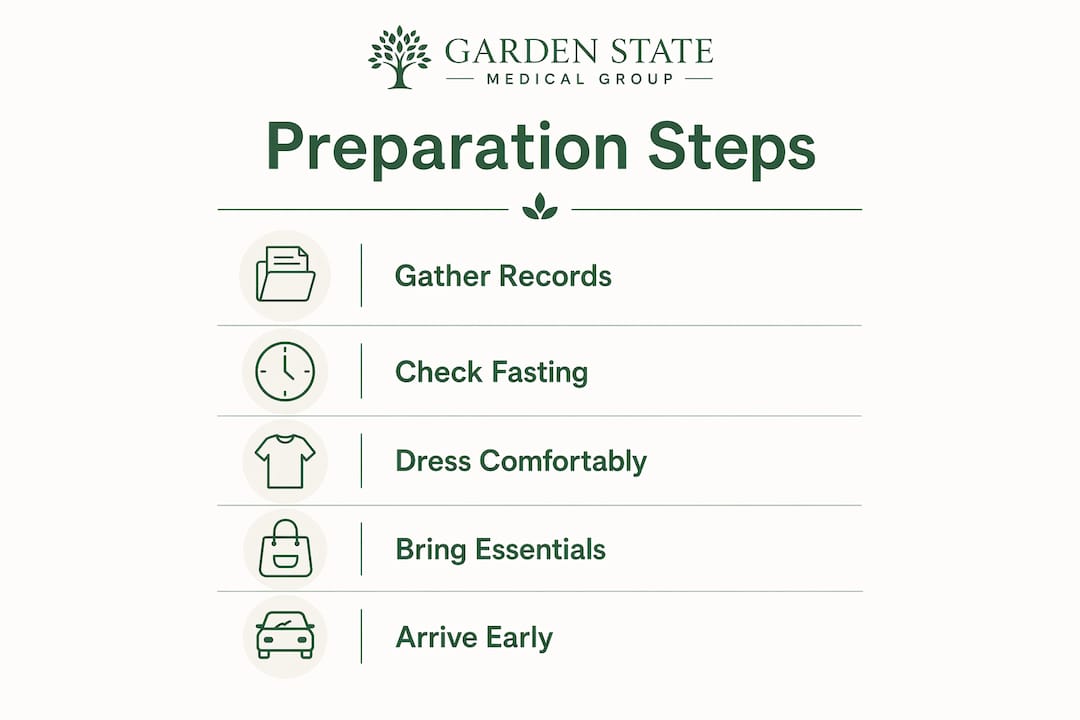
Arriving prepared with the right items removes friction from your appointment and lets your provider focus on your health rather than administrative gaps. Bring your photo ID, insurance card, medication list, and recent test results to every screening. These four items alone prevent the most common check-in delays.
Beyond documents, consider bringing:
- A notepad or your phone’s notes app to write down instructions, results, or follow-up steps
- A list of questions you want to ask your provider, prepared in advance
- Contact information for any specialists you currently see
- Your immunization records if the screening includes a vaccine review
Clothing matters more than most people realize. Wearing loose, comfortable clothing makes physical exams and imaging tests easier to conduct. For blood draws, short sleeves or sleeves that roll up easily save time. For mammograms, avoid applying deodorant, antiperspirant, or powder on the day of your appointment. These products contain particles that can appear on imaging and create false findings.
Reviewing questions to ask your primary care physician before your visit helps you use appointment time productively. Providers appreciate patients who come with specific questions because it signals engagement and often surfaces concerns that might otherwise go unmentioned.
What happens during a health screening appointment?
Understanding the typical flow of a screening appointment reduces anxiety and helps you participate more effectively. Most appointments follow a predictable sequence, though the specific tests ordered will depend on your age, risk factors, and the type of screening scheduled.
The table below outlines what typically happens during a standard preventive screening:
| Stage | What happens | Your role |
|---|---|---|
| Check-in | ID and insurance verification, intake forms | Provide documents and complete forms accurately |
| Medical history review | Provider reviews medications, history, and family background | Confirm and update any changes since last visit |
| Vital signs | Blood pressure, heart rate, weight, height, temperature | Relax and breathe normally for accurate readings |
| Physical exam | Head-to-toe assessment based on age and risk factors | Report any symptoms or changes you have noticed |
| Lab or imaging orders | Blood draw, urinalysis, or imaging if indicated | Follow fasting and prep instructions beforehand |
| Counseling and next steps | Provider discusses findings and recommendations | Ask questions and confirm follow-up timing |
Your provider will tailor the screening based on your personal risk profile. A 45-year-old with a family history of colon cancer will receive different recommendations than a 30-year-old with no significant history. Preparing with detailed medical and family history enables clinicians to concentrate on the tests that matter most for your specific situation.
Honest reporting during the appointment is non-negotiable. Providers cannot make accurate decisions based on incomplete or inaccurate information. If you smoke, drink alcohol, or have symptoms you find embarrassing, disclose them. Your provider’s job is to help you, not to judge your choices.
For Medicare beneficiaries, annual wellness visits are covered at no cost when scheduled correctly, though additional diagnostic tests ordered during the visit may carry copays. Knowing this distinction helps you avoid unexpected bills. You can review a Medicare wellness checklist to understand exactly what is covered before your appointment.
After the appointment, plan your schedule accordingly. Result consultations can be scheduled 7 to 14 days after complex screenings. Block that time in your calendar when you leave the appointment so follow-up does not fall through the cracks.
Key takeaways
Thorough preparation for a health screening requires organized medical records, correct fasting, appropriate clothing, and a clear list of questions to maximize the accuracy and value of every test.
| Point | Details |
|---|---|
| Gather complete medical records | Bring medications with dosages, past diagnoses, and family history to every appointment. |
| Follow fasting rules precisely | Most blood panels require 8 to 12 hours of fasting; confirm specifics when you schedule. |
| Pack the right documents | Photo ID, insurance card, medication list, and recent results prevent check-in delays. |
| Dress for the exam type | Loose clothing and no deodorant for imaging tests prevents false findings and saves time. |
| Plan for follow-up | Schedule result consultations 7 to 14 days after complex screenings before you leave. |
Why preparation is the part most patients underestimate
I have seen the difference that preparation makes, and it is not subtle. Patients who arrive with a current medication list, a written family history, and a few specific questions get more out of a 20-minute appointment than unprepared patients get from an hour-long visit. That is not an exaggeration. It reflects how clinical decision-making actually works. Providers are pattern-matching against the information you give them. The richer that information, the sharper the pattern.
What surprises most people is how much the small logistics matter. Wearing the wrong clothing to a mammogram, skipping the fasting window for a lipid panel, or forgetting to mention a supplement can each trigger a repeat test or a missed finding. These are not rare edge cases. They happen regularly, and they are entirely preventable.
My honest advice: treat your health screening the way you would treat an important meeting. Prepare your materials the night before. Write down your questions. Confirm the fasting requirements when you book the appointment, not the morning of. The routine health screenings that catch conditions early only deliver that benefit when the results are accurate. Preparation is what makes them accurate.
The patients who get the most value from preventive care are not necessarily the healthiest ones. They are the most prepared ones.
— Krunal
How Garden State Medical Group supports your screening preparation
Garden State Medical Group, serving patients in North Bergen and Secaucus, New Jersey, provides the full range of services you need to prepare for and complete a health screening with confidence. The practice’s primary care team guides patients through pre-screening preparation, reviews medical histories, and orders the appropriate lab work based on individual risk profiles. On-site diagnostic and radiology services mean you can complete imaging and lab tests without traveling to multiple facilities. For patients managing chronic conditions, the chronic care management program integrates screening results into an ongoing care plan that tracks changes over time. Call or book online to schedule your next screening appointment.
FAQ
What should I eat before a health screening?
For most blood-based screenings, you should fast for 8 to 12 hours beforehand, consuming only plain water. If your screening does not require fasting, avoid alcohol and high-fat meals the night before to prevent skewed results.
How early should I prepare for a health screening?
Start gathering your medication list, medical history, and insurance documents at least two to three days before your appointment. Confirm fasting and dietary requirements when you schedule, not the morning of the visit.
What are the most common health screening tests for adults?
Common screenings include fasting blood glucose, lipid panels, blood pressure checks, body mass index assessment, colorectal cancer screening, and age-specific tests such as mammograms or prostate-specific antigen tests. Your provider selects tests based on your age, sex, and personal risk factors.
Can I take my medications before a fasting blood test?
This depends on the medication. Some medications should be taken as scheduled, while others can affect test results and may need to be timed differently. Always confirm with your provider or the testing facility when you schedule your appointment.
How long does it take to get results after a health screening?
Routine lab results are typically available within one to three business days. Results from complex screenings such as colonoscopies or advanced imaging may require a follow-up consultation scheduled 7 to 14 days after the procedure.
Recommended
- What Is Health Screening? A Guide to Early Detection
- Types of Preventive Care: Your Guide to Better Health | Garden State Medical Group
- Our Guide on Making the Most of Your Medical Check-Up - What to Ask & Expect | Garden State Medical Group | Garden State Medical Group
- Routine health screenings: Essential examples for adults