
8 in 10 Don’t Know They Have It: Prediabetes Symptoms and NJ Screening
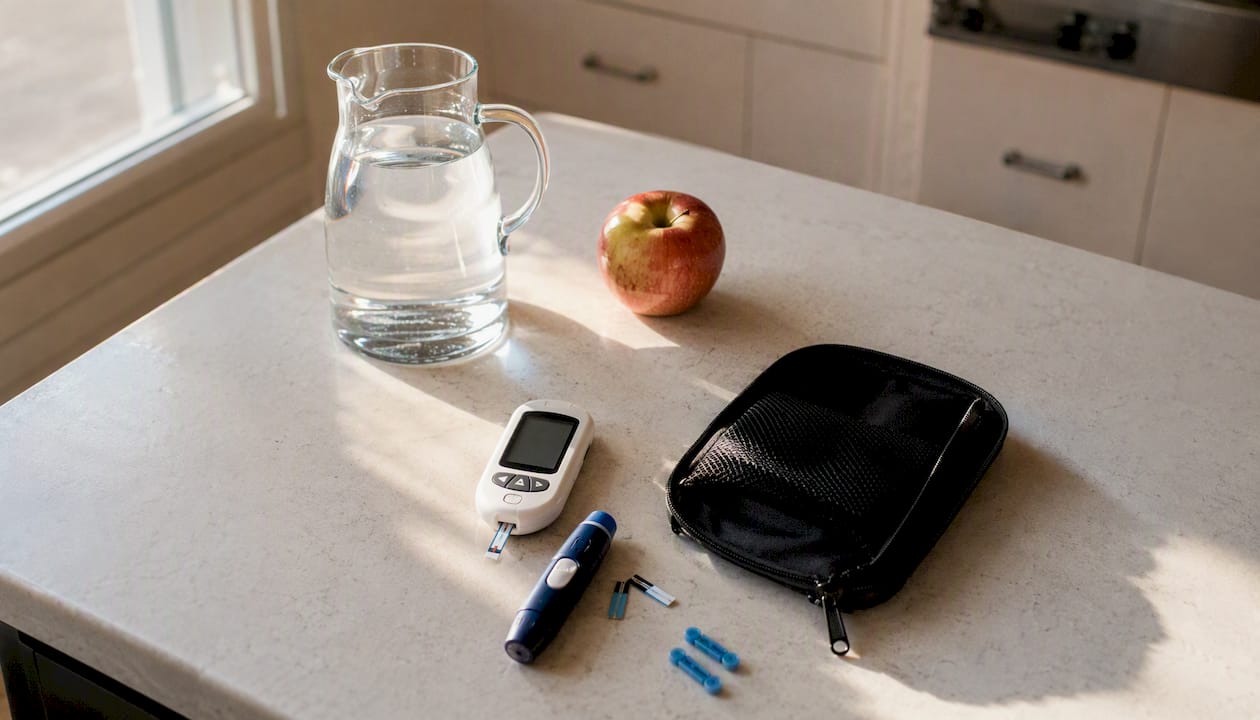
Prediabetes usually has no clear symptoms. Screening, not how you feel, is how clinicians find it. When warning signs do show up, they tend to be subtle: increased thirst, more frequent urination, fatigue, blurred vision, or slow-healing cuts. If you have risk factors like extra weight, a family history of diabetes, or you’re over 45, the right first move isn’t to wait and watch for symptoms. It’s to arrange a simple blood test.
TL;DR:
- Most prediabetes cases do not show clear symptoms and are only detectable through blood tests, especially if risk factors like obesity or family history are present.
- Blood tests such as A1c, fasting glucose, or OGTT can confirm diagnosis, with abnormal results should be retested for confirmation before initiating treatment.
- Weight loss of 5% to 7% and 150 minutes of weekly moderate activity can significantly improve blood sugar levels and reduce progression to diabetes.
- Screening should start at age 45 or earlier if you have risk factors, with repeat testing every three years unless multiple risk factors suggest annual checks.
- Lifestyle modifications, a Mediterranean diet, and possibly medication like metformin can help reverse prediabetes if caught early and managed consistently.
Table of Contents
- Prediabetes Symptoms People Sometimes Notice
- Why Prediabetes Rarely Causes Symptoms (Insulin Resistance Explained)
- Who Should Get Screened, and When
- How Prediabetes Is Diagnosed: A1c, Fasting Glucose, and OGTT
- When to See a Clinician and What Happens Next
- Evidence-Based Ways to Lower Your Risk or Reverse Prediabetes
- How Garden State Medical Group Supports Screening and Prevention
- Our Take: Stop Waiting for Symptoms That Probably Won’t Come
- Schedule a Screening Visit With Garden State Medical Group
- Sources
- FAQ
Prediabetes Symptoms People Sometimes Notice
Most people with prediabetes feel completely normal. When signs do appear, they’re usually mild and easy to blame on stress, poor sleep, or getting older. Here’s what actually shows up, and what it might mean:
- Increased thirst. Blood sugar pulling extra fluid from your tissues can leave you reaching for water more than usual.
- Frequent urination, especially at night. Your kidneys work harder to filter excess glucose, which fills your bladder faster.
- Persistent fatigue. Cells that resist insulin’s signal struggle to pull in glucose for energy, even though your blood sugar is elevated.
- Increased hunger. When glucose can’t get into your cells efficiently, your body signals for more fuel.
- Blurred vision. Fluid shifts in the eye’s lens can distort focus temporarily.
- Slow-healing cuts or recurring infections. Elevated blood sugar can impair circulation and immune response.
- Darkened patches of skin or new skin tags. Velvety discoloration at the neck, armpits, or groin, called acanthosis nigricans, often signals insulin resistance.
- Unexplained weight change. Either gradual gain around the midsection or unexpected loss can accompany shifting blood sugar patterns.
Here’s the catch: when symptoms like intense thirst or blurred vision actually appear, they more often point toward full type 2 diabetes than prediabetes itself. Prediabetes tends to stay quiet. That’s exactly why so many cases go undetected for years.
Why Prediabetes Rarely Causes Symptoms (Insulin Resistance Explained)
Insulin resistance is the root of prediabetes, and it’s simpler than it sounds. Your pancreas produces insulin to move sugar out of your bloodstream and into your cells. When cells stop responding well to that signal, your pancreas compensates by pumping out more insulin to keep glucose levels roughly normal.
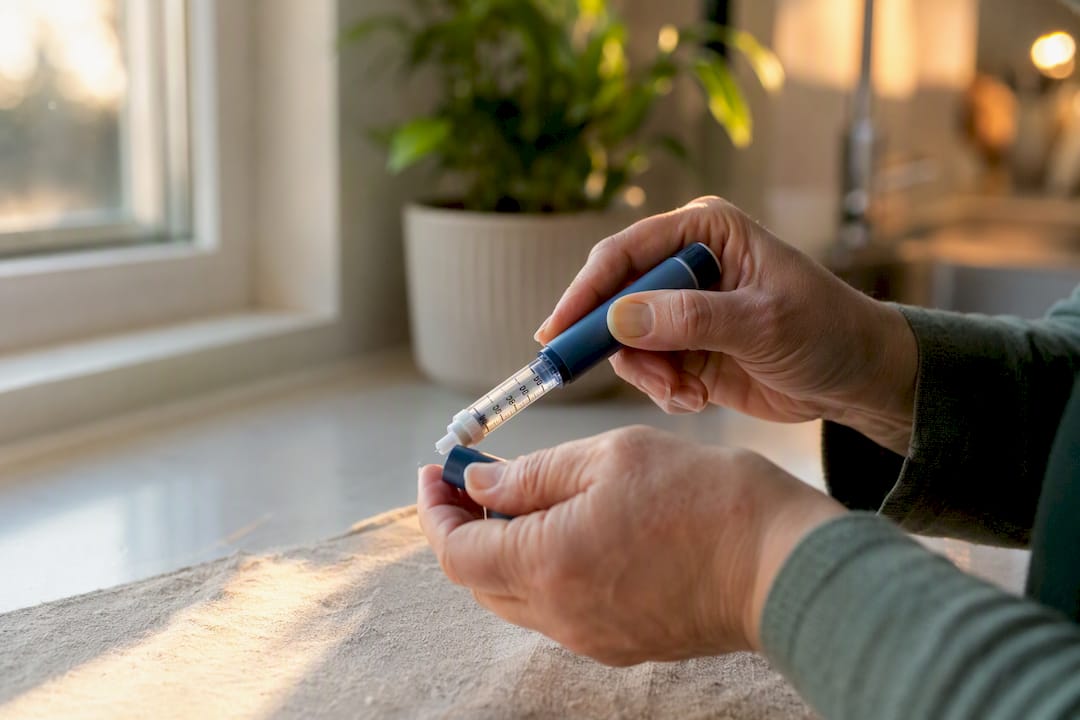
For years, that compensation works. Blood sugar creeps up only slightly, which is why prediabetes so rarely announces itself. Symptoms tend to appear only once the pancreas can no longer keep pace and glucose rises high enough to spill into urine, pull fluid from tissues, or starve cells of usable energy. That’s the physiological tipping point separating a silent metabolic shift from something you can actually feel.
Who Should Get Screened, and When
Screening decisions come down to age and risk factors, not symptoms. Routine testing is recommended starting at age 45, but several conditions justify checking sooner:
- Body weight in the overweight or obese range
- A parent or sibling with type 2 diabetes
- A personal history of gestational diabetes
- High blood pressure or abnormal cholesterol levels
- A largely sedentary lifestyle
- Membership in higher-risk race or ethnicity groups, including Black, Hispanic, American Indian, Asian American, and Pacific Islander populations
If you have even one of these factors, screening shouldn’t wait until 45. For most adults with a normal first result, repeat testing every three years is reasonable. If you’re carrying multiple risk factors or your results sit close to the prediabetes range, your clinician may recommend checking annually instead. Bring up your family history at your next visit even if nothing feels wrong. That conversation alone can shift your testing timeline years earlier.
How Prediabetes Is Diagnosed: A1c, Fasting Glucose, and OGTT
Three blood tests confirm prediabetes, and each measures something slightly different:
- A1c (5.7% to 6.4%): Reflects your average blood sugar over roughly three months. No fasting required, which makes it the most convenient option, though conditions like anemia or certain hemoglobin variants can skew results.
- Fasting plasma glucose (100 to 125 mg/dL): A snapshot of blood sugar after at least eight hours without food. Requires morning fasting but is inexpensive and widely available.
- 2-hour oral glucose tolerance test, or OGTT (140 to 199 mg/dL): You drink a glucose solution, then get tested two hours later. It’s the most sensitive of the three but also the most time-consuming.
All three thresholds come from established clinical diagnostic criteria. A single abnormal result usually warrants a repeat test to confirm the diagnosis, since factors like illness or stress can temporarily nudge numbers. Once confirmed, most clinicians recheck A1c or fasting glucose every three to six months while you work on lifestyle changes.
When to See a Clinician and What Happens Next
An abnormal test result, or symptoms like unusual thirst combined with fatigue, is your cue to schedule a visit rather than wait it out. Here’s what typically happens next:
- Your clinician orders confirmatory labs, often a repeat A1c or fasting glucose alongside a lipid panel.
- They check blood pressure, weight, and waist circumference, since a waist over 40 inches in men or 35 inches in women is a marker tied to insulin resistance.
- You discuss a personalized plan, whether that’s a structured lifestyle program, closer monitoring, or in some cases medication.
Seek care urgently, not at a routine visit, if you notice confusion, vomiting, or signs of severe dehydration. Those can signal dangerously high blood sugar requiring immediate attention.
Pro Tip: Write down your family’s diabetes history and any symptoms you’ve noticed, even minor ones, before your appointment. A few specific details help your clinician decide how aggressively to test and how often to follow up.
Evidence-Based Ways to Lower Your Risk or Reverse Prediabetes
The most effective interventions aren’t complicated, but they do require consistency. Losing 5% to 7% of your body weight, combined with 150 minutes of moderate activity weekly, such as brisk walking, is the exact combination tested in the landmark Diabetes Prevention Program, which found structured lifestyle changes meaningfully cut the risk of progressing to type 2 diabetes.
Diet pattern matters as much as calorie counting. A Mediterranean-style approach, built around vegetables, legumes, whole grains, and olive oil, improves insulin sensitivity more reliably than simply cutting portions. Cutting sugary drinks and refined carbohydrates, specifically, tends to move the needle fastest.
Practical steps that support this shift:
- Swap sugary drinks for water or unsweetened options first, since they’re often the easiest cut
- Add short walks after meals rather than one long workout
- Prioritize sleep, since poor sleep worsens insulin resistance independently of diet
- Ask about structured diabetes prevention programs modeled on the DPP framework
- Discuss metformin with your clinician if lifestyle changes alone aren’t enough, particularly if you’re under 60 or have a history of gestational diabetes
Expect A1c improvements to show up gradually over three to six months of consistent changes, not overnight. Plans should be individualized. What works for someone in their 30s often looks different for someone managing prediabetes alongside hypertension or joint issues that limit exercise options.
How Garden State Medical Group Supports Screening and Prevention
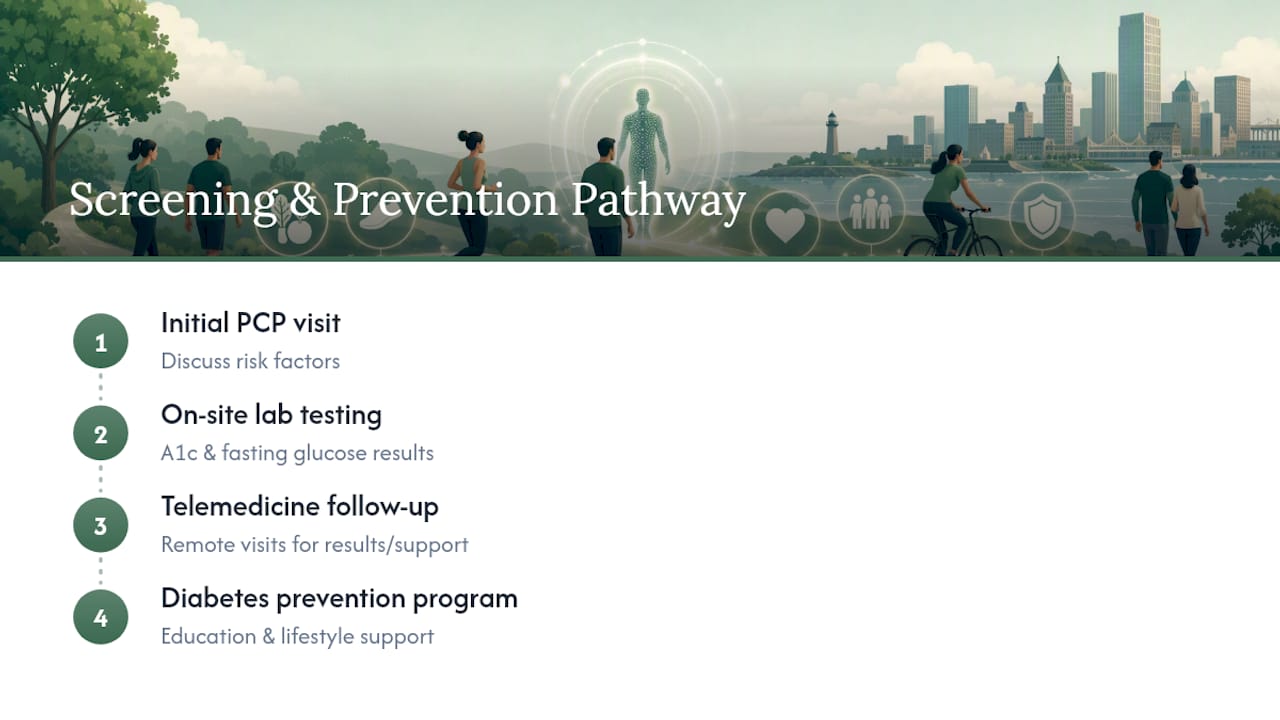
Garden State Medical Group offers on-site lab testing, so A1c and fasting glucose results don’t require a separate lab visit. Primary care physicians, telemedicine appointments, and the practice’s Diabetes Prevention and Education Program work together to catch prediabetes early and support the lifestyle changes that reverse it.
Getting screened starts with a single primary care visit and a conversation about your risk factors.
Our Take: Stop Waiting for Symptoms That Probably Won’t Come
The biggest mistake in how people think about prediabetes is treating it like other conditions that announce themselves. It doesn’t. More than 8 in 10 people who have it don’t know, and that statistic isn’t a scare tactic. It’s a description of how the disease actually behaves.
Conventional advice often tells people to “watch for warning signs.” That framing sets people up to wait for a signal that, for most, will never arrive clearly enough to act on. By the time symptoms like blurred vision or extreme thirst show up, you’re often no longer looking at prediabetes at all. You’re looking at diabetes.
What should you prioritize instead? Get tested based on your risk profile, not your symptom checklist. If you’re over 45, carrying extra weight, or have a family history, a fasting glucose or A1c test costs you little and tells you everything a symptom watch never could. Our prevention program exists precisely because catching this early, while it’s still reversible, matters more than any single lifestyle tip we could offer.
— Garden State Medical Group
Schedule a Screening Visit With Garden State Medical Group
Getting tested for prediabetes doesn’t require a specialist referral or a long wait. Garden State Medical Group runs on-site labs alongside primary care visits, so your A1c or fasting glucose results connect directly to a follow-up conversation with your provider, not a separate referral process weeks later.
A first visit typically includes a review of your risk factors, baseline labs, blood pressure and weight measurements, and a discussion of next steps if your results land in the prediabetes range. If lifestyle changes are the right path, our providers can connect you with nutrition counseling and the practice’s structured prevention program. If you’d rather start remotely, telemedicine visits are available for an initial risk discussion before you come in for labs. Book a primary care appointment today and get your numbers checked instead of guessing based on how you feel.
This article is general information, not a substitute for advice from a qualified doctor. Consult a qualified healthcare professional about your own circumstances before acting on anything here.
Sources
- Prediabetes – Your Chance to Prevent Type 2 Diabetes
- Prediabetes: What It Is, Symptoms, Treatment & How To Reverse
- Insulin Resistance - StatPearls - NCBI Bookshelf
FAQ
How Do You Tell if You’re Prediabetic?
The only reliable way is a blood test. Symptoms are usually absent, so an A1c, fasting glucose, or oral glucose tolerance test is needed to confirm it.
What Is the Fastest Way to Improve Prediabetes?
Losing 5% to 7% of body weight combined with 150 minutes of weekly moderate activity produces the fastest measurable improvement, based on Diabetes Prevention Program results. Cutting sugary drinks and refined carbs accelerates progress further.
What Are the Worst Foods for Prediabetes?
Sugary beverages and refined carbohydrates, think soda, white bread, and pastries, cause the sharpest blood sugar spikes and worsen insulin resistance over time. A Mediterranean-style diet built around vegetables, legumes, and whole grains works against those effects.
What Are the Symptoms of Prediabetes, and How Is It Diagnosed and Treated?
Prediabetes is often symptomless; when signs appear, they include increased thirst, fatigue, frequent urination, and blurred vision. Diagnosis relies on A1c (5.7% to 6.4%), fasting glucose (100 to 125 mg/dL), or an OGTT (140 to 199 mg/dL), and treatment centers on weight loss, exercise, dietary changes, and sometimes metformin.
Can Prediabetes Be Reversed Completely?
Many people return their blood sugar to a normal range through sustained weight loss and activity, though this requires consistent lifestyle changes tracked with periodic A1c testing. Reversal is more likely the earlier it’s caught, which is another reason screening matters more than waiting for symptoms.