
Your Guide to Lung Health Management That Works

TL;DR:
- Proactive lung health management emphasizes quitting smoking, maintaining indoor air quality, and monitoring symptoms regularly. Consistent physical activity, targeted breathing exercises, and a nutritious diet support lung function and reduce disease risk. Personalized care plans and early intervention improve long-term outcomes for respiratory conditions.
Lung health management is the process of proactively adopting habits and techniques to maintain your lung function and reduce disease risk. Smoking causes approximately 80% of lung cancers, making tobacco cessation the single most impactful step any adult can take. Whether you are managing a chronic condition like COPD or asthma, or simply want to breathe better as you age, this guide to lung health management gives you a clear, practical path forward. Gardenstatemedicalgroup supports patients in North Bergen and Secaucus, New Jersey, with exactly this kind of structured, personalized respiratory care.
What are the foundational daily habits for lung health management?
Quitting smoking is the most effective lung care strategy available. The American Lung Association identifies tobacco as the primary driver of preventable lung disease, and the benefit of quitting begins within hours of your last cigarette. If you currently smoke, connecting with a cessation program is the highest-return action you can take for your respiratory health.
Secondhand smoke is well-documented as harmful, but thirdhand smoke residue is an underestimated threat. Residue clings to furniture, clothing, and walls long after a cigarette is extinguished. Thorough cleaning and maintaining smoke-free indoor spaces are both necessary to reduce this exposure.
Indoor air quality deserves as much attention as outdoor pollution. Radon is a colorless, odorless gas that seeps into homes from the ground and is the second leading cause of lung cancer in the United States. Testing your home for radon is a straightforward step that many adults skip entirely.
- Avoid burning candles, incense, or wood fires in poorly ventilated rooms
- Use exhaust fans in kitchens and bathrooms to remove cooking fumes and moisture
- Change HVAC filters regularly to reduce circulating dust and allergens
- Keep windows open when outdoor air quality permits
- Test your home for radon using an EPA-approved kit
Pro Tip: Run a HEPA-filter air purifier in your bedroom overnight. You spend roughly a third of your life there, and cleaner air during sleep gives your lungs consistent recovery time.
How can physical activity and breathing exercises improve lung capacity?
Aerobic and strength exercises improve lung efficiency by strengthening respiratory muscles and enhancing oxygen uptake. Your lungs do not get stronger in isolation. They respond to the demands your body places on them, so consistent physical effort is what drives real improvement in lung capacity and endurance.

Health experts recommend at least 30 minutes of daily physical activity to support lung health. That 30 minutes does not need to be intense. Walking, swimming, cycling, and dancing all count. The goal is sustained cardiovascular effort that challenges your breathing without overwhelming it.
Before starting any new exercise routine, speak with your doctor. This is especially true if you have asthma, COPD, or another chronic respiratory condition. A provider can help you set safe intensity limits and identify warning signs to watch for during activity.
- Start with walking. Begin with 10 minutes at a comfortable pace and add 5 minutes each week until you reach 30 minutes daily.
- Add aerobic variety. Cycling or swimming engages large muscle groups and places steady demand on your lungs without high joint impact.
- Include strength training. Two sessions per week of light resistance work strengthens the muscles around your chest and ribcage, which directly supports breathing mechanics.
- Practice pursed-lip breathing. Inhale through your nose for two counts, then exhale slowly through pursed lips for four counts. This technique slows your breathing rate and keeps airways open longer.
- Add diaphragmatic breathing. Place one hand on your chest and one on your belly. Breathe so that only your belly hand rises. This trains your diaphragm, the primary muscle of respiration, to do more of the work.
Pro Tip: Practice pursed-lip breathing during routine tasks like washing dishes or folding laundry. Pairing the technique with a daily habit builds consistency without requiring extra time.
What nutrition and lifestyle choices support healthy lungs?
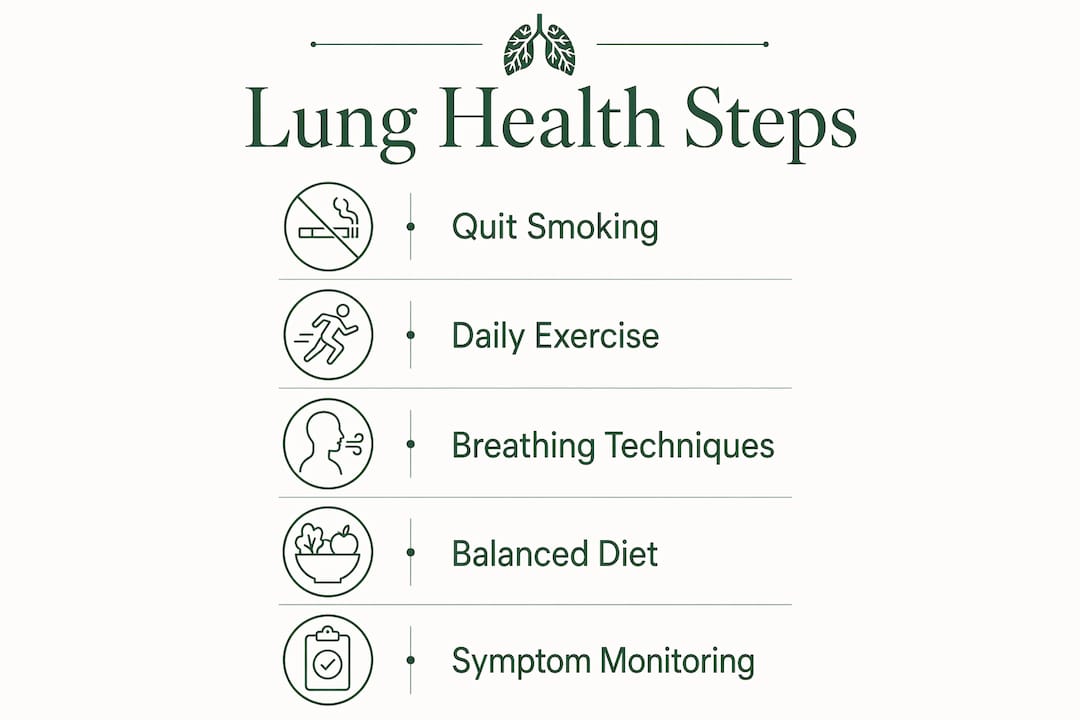
Anti-inflammatory foods directly support lung tissue health. Fruits and vegetables rich in antioxidants, such as berries, leafy greens, and citrus, reduce oxidative stress in the airways. Omega-3 fatty acids found in salmon, walnuts, and flaxseed also reduce airway inflammation, which is a core driver of both asthma and COPD symptoms.
Eating four to six small meals per day prevents stomach distension that pushes against the diaphragm and restricts lung expansion. Large meals create abdominal pressure that makes breathing noticeably harder, particularly for patients with COPD. Smaller, more frequent meals are a simple dietary adjustment with a direct mechanical benefit.
Hydration keeps the mucus lining of your airways thin and mobile, which helps your lungs clear irritants efficiently. Warm drinks like ginger or turmeric tea offer the added benefit of mild anti-inflammatory compounds. Sleep quality and stress management also matter. Chronic stress raises cortisol levels, which can worsen airway inflammation over time.
Vaccinations for flu, COVID-19, pneumonia, and RSV lower lung infection risks, especially for adults with chronic lung disease. A respiratory infection can trigger a serious flare-up in someone with COPD or asthma. Staying current on recommended vaccines is one of the most protective steps you can take.
- Do: Eat colorful fruits and vegetables daily, stay hydrated, and prioritize 7–9 hours of sleep
- Do: Choose lean proteins and foods rich in omega-3 fatty acids
- Avoid: Processed foods high in sodium, which can cause fluid retention and worsen breathing
- Avoid: Alcohol in excess, which suppresses the cough reflex and impairs mucus clearance
- Avoid: Skipping meals, which can lead to overeating and the diaphragm pressure that follows
How do you recognize symptoms and monitor your lung health?
Early detection of lung problems dramatically improves long-term outcomes. Symptoms lasting more than a few weeks, such as a persistent cough, wheezing, or unexplained shortness of breath, require medical evaluation. Many patients delay seeking care because they attribute these signs to aging or seasonal allergies. That delay costs time that matters.
Proactive monitoring of breathing patterns between provider visits enables more tailored and effective treatment plans. Keeping a simple symptom log, noting when breathlessness occurs, what triggered it, and how long it lasted, gives your doctor concrete data to work with. A general impression of “I’ve been more winded lately” is far less useful than a dated record.
Early identification of environmental triggers is fundamental for targeted treatment of conditions like interstitial lung disease. Workplace exposures to dust, chemicals, or fumes require respiratory protection and, in some cases, a formal occupational health review. Do not assume that a hazard is safe simply because coworkers are not complaining.
“Persistent respiratory symptoms are your lungs asking for attention. A cough that lingers for more than three weeks, recurring chest tightness, or noticeable changes in your breathing pattern all warrant a conversation with your healthcare provider. Early evaluation is not an overreaction. It is good medicine.”
Watch for these specific warning signs that require prompt medical attention:
- A cough that produces blood or discolored mucus
- Shortness of breath during activities that previously felt easy
- Chest pain that worsens with deep breathing
- Unexplained fatigue paired with breathing difficulty
- Frequent respiratory infections that take longer than usual to resolve
What are best practices for managing chronic respiratory conditions?
Chronic lung conditions like COPD and asthma require a personalized management plan, not just medication. Successful management of chronic lung disease combines regular exercise, self-education, and social support rather than relying on medication alone. That combination is what separates patients who maintain quality of life from those who experience repeated hospitalizations.
A written action plan is the foundation of effective chronic care. Written action plans improve management of exacerbations and flare-ups and reduce emergency hospitalizations. Your plan should specify your baseline symptoms, the medications you take at each stage of a flare-up, and the exact point at which you call your provider or go to the emergency room.
- Track your symptoms daily. Use a notebook or a phone app to log breathlessness, coughing frequency, and energy levels. Patterns become visible over days and weeks.
- Know your triggers. Identify whether cold air, exercise, allergens, or stress reliably worsen your symptoms, then build avoidance or preparation strategies around each one.
- Take medications as prescribed. Inhalers and controller medications work best when used consistently, not only during flare-ups. Skipping doses during good periods undermines long-term control.
- Engage a multidisciplinary care team. Pulmonologists, primary care providers, respiratory therapists, and dietitians each address different aspects of your condition. Coordinated care produces better outcomes than single-provider management.
- Build a support network. Family members, patient support groups, and community health programs all reduce the isolation that often accompanies chronic disease. Social support is a documented factor in better adherence and outcomes.
- Review your care plan regularly. Your condition changes over time. Schedule a formal review with your provider at least twice a year to update your action plan, adjust medications, and reassess your exercise and nutrition goals.
Gardenstatemedicalgroup offers chronic care management programs designed specifically for patients navigating conditions like COPD and asthma. Coordinated, ongoing care keeps your plan current and your provider informed between appointments.
Key takeaways
Effective lung health management requires daily lifestyle habits, consistent symptom monitoring, and a personalized care plan that adapts as your condition changes.
| Point | Details |
|---|---|
| Quit smoking first | Smoking causes approximately 80% of lung cancers; cessation is the highest-impact action available. |
| Exercise daily | At least 30 minutes of physical activity strengthens respiratory muscles and improves oxygen uptake. |
| Monitor symptoms early | Symptoms lasting more than a few weeks require medical evaluation to catch problems before they worsen. |
| Use a written action plan | A clear plan with symptom stages and medication steps reduces hospitalizations in chronic lung patients. |
| Support care with nutrition | Smaller, frequent meals and anti-inflammatory foods reduce airway inflammation and diaphragm pressure. |
What I’ve learned from years of watching patients manage their lungs
The patients who do best are not the ones who follow every recommendation perfectly. They are the ones who stay consistent with two or three core habits and build from there. Quitting smoking, walking daily, and keeping a symptom log are unglamorous, but they produce real results over months and years.
The hardest part of lung health is not the information. Most adults already know that smoking is harmful and that exercise helps. The challenge is the gap between knowing and doing, especially when a flare-up passes and the urgency fades. That is exactly when people stop logging symptoms and skip their breathing exercises.
What I have found is that small, specific commitments outperform broad intentions. “I will walk for 15 minutes after dinner on weekdays” works better than “I will exercise more.” Specificity removes the daily decision and replaces it with a habit. The same principle applies to breathing exercises, meal planning, and medication schedules.
Personalized care matters more than generic advice. Two patients with the same COPD diagnosis can have very different triggers, exercise tolerances, and nutritional needs. The lung health programs that work are the ones built around the individual, not the diagnosis code. If your current care plan feels generic, that is worth raising with your provider.
— Krunal
Lung health care at Gardenstatemedicalgroup
Gardenstatemedicalgroup provides specialized care for adults managing both chronic and preventive respiratory health needs in North Bergen and Secaucus, New Jersey.

The practice’s cardiopulmonary care services bring together primary care, pulmonary evaluation, and diagnostic testing under one coordinated team. Patients with COPD, asthma, or other respiratory conditions receive care plans that integrate medication management, lifestyle guidance, and regular monitoring. For adults who want to get ahead of potential problems, primary care services include preventive screenings and vaccination support. Contact Gardenstatemedicalgroup to schedule a consultation and put a real plan behind your lung health goals.
FAQ
What is lung health management?
Lung health management is the practice of proactively maintaining and improving respiratory function through lifestyle habits, symptom monitoring, and medical care. It applies to both healthy adults and those managing chronic conditions like COPD or asthma.
How does smoking affect lung health?
Smoking causes approximately 80% of lung cancer cases and is the leading driver of preventable lung disease. Quitting at any age reduces risk and begins to improve lung function within hours of the last cigarette.
What breathing exercises help improve lung function?
Pursed-lip breathing and diaphragmatic breathing are the two most widely recommended techniques. Both slow the breathing rate, reduce air trapping, and train the diaphragm to work more efficiently during daily activity.
When should I see a doctor about respiratory symptoms?
Seek medical evaluation for any respiratory symptom that persists for more than a few weeks, including a chronic cough, wheezing, or shortness of breath during normal activity. Early evaluation improves long-term outcomes for conditions like COPD and interstitial lung disease.
How does diet affect lung health?
Anti-inflammatory foods like fruits, vegetables, and omega-3-rich fish reduce airway inflammation that worsens asthma and COPD. Eating four to six small meals per day also prevents abdominal pressure on the diaphragm, which directly supports easier breathing.
Recommended
- 4 Tips for Achieving Better Lung Health | Garden State Medical Group | Garden State Medical Group
- 4 Tips to Keep Your Lungs Healthy and In Shape - Our Guide | Garden State Medical Group | Garden State Medical Group
- 6 Tips to Keep Your Lungs Healthy | Garden State Medical Group | Garden State Medical Group
- Lung Health Programs Explained: What You Need to Know | Garden State Medical Group