Specialized health programs: Boosting well-being for adults

TL;DR:
- Specialized health programs offer proactive, multidisciplinary support for managing chronic conditions effectively.
- These programs include personalized care plans, ongoing education, and regular health monitoring.
- Participation can significantly reduce complications, hospitalizations, and improve quality of life.
Routine checkups are valuable, but they often are not enough on their own for adults living with chronic conditions like diabetes, heart disease, or COPD (chronic obstructive pulmonary disease). Many people in North Bergen and Secaucus assume that an annual visit to their primary care doctor covers all their health management needs. The reality is more nuanced. Specialized health programs are structured, targeted initiatives designed to manage chronic conditions and promote preventive care, often involving multidisciplinary teams, personalized care plans, ongoing education, and lifestyle support. This article explains what these programs are, why they matter, and how they can help you take stronger control of your long-term health.
Table of Contents
- What are specialized health programs?
- Types of specialized health programs for chronic conditions
- Individualized care: Balancing guidelines and personal needs
- Teamwork and self-management: Keys to success
- What most programs miss: Individual goals, local realities
- Explore local support for specialized health programs
- Frequently asked questions
Key Takeaways
| Point | Details |
|---|---|
| Targeted chronic care | Specialized health programs provide structured support for chronic diseases and preventive care, offering far more than routine doctor visits. |
| Customized support | Programs blend standard guidelines with personal needs to create the best plan for every individual, especially those with multiple conditions. |
| Collaborative approach | Care teams, self-management tools, and community resources all work together to support your health journey. |
| Local access | Residents of North Bergen and Secaucus can access major programs to improve outcomes, cut costs, and boost well-being. |
What are specialized health programs?
Most people are familiar with standard medical care: you schedule a visit, your doctor reviews your symptoms, adjusts your medications if needed, and schedules a follow-up. That model works well for acute illnesses and routine maintenance. However, chronic conditions require a different kind of support. Specialized health programs are structured initiatives built to address the long-term, ongoing nature of conditions like diabetes, heart failure, asthma, and hypertension.
These programs manage chronic conditions through a systematic approach that combines clinical care with education, behavioral support, and lifestyle coaching. Rather than reactive care that responds to symptoms after they worsen, specialized programs focus on proactive management to prevent complications before they occur.
The core features that distinguish specialized programs from standard primary care include:
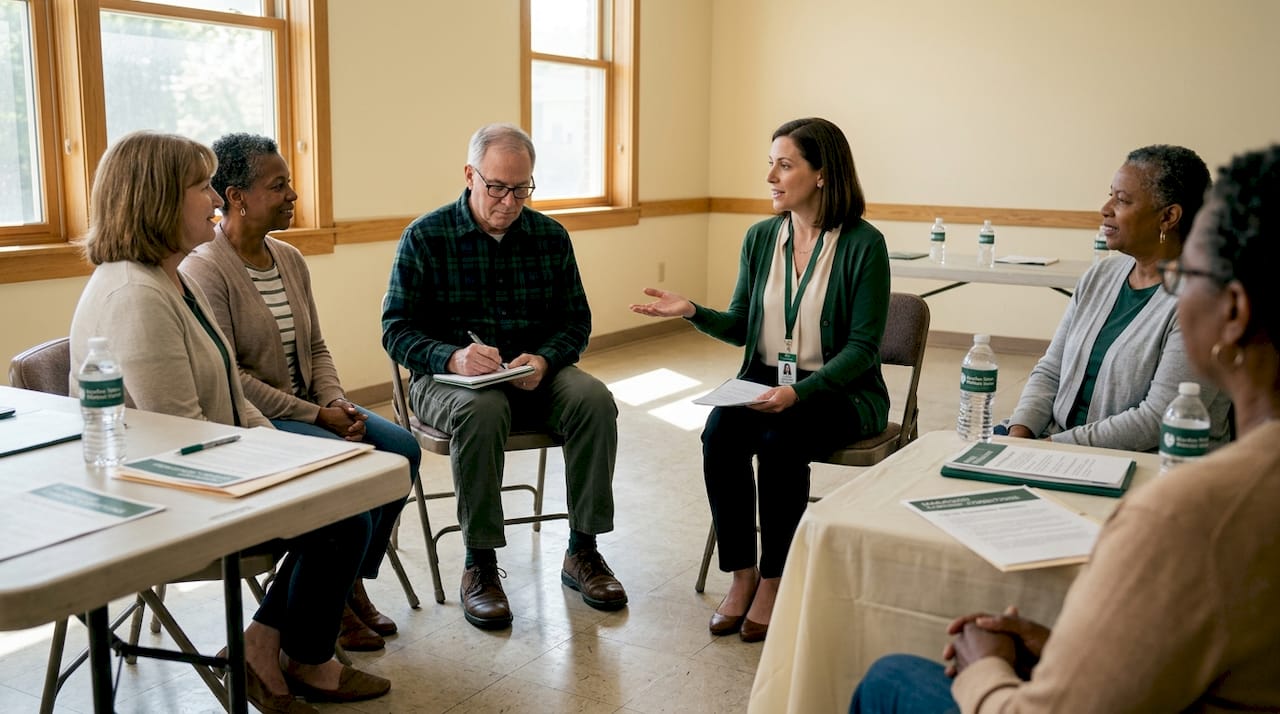
- Multidisciplinary teams: You work with a group of professionals that may include physicians, nurses, dietitians, health educators, pharmacists, and social workers. Each member plays a defined role in supporting your health goals.
- Personalized care plans: Instead of a one-size-fits-all approach, your care plan reflects your specific diagnosis, lifestyle, risk factors, and personal goals.
- Ongoing education: Programs teach you how to recognize warning signs, manage symptoms, take medications correctly, and make informed choices about diet and activity.
- Regular monitoring: Your health metrics, such as blood glucose, blood pressure, or lung function, are tracked over time so your care team can spot trends and intervene early.
- Lifestyle interventions: Nutrition guidance, physical activity support, and stress management are often integrated directly into the program.
“Specialized health programs go beyond treating disease. They build the knowledge, habits, and support systems that help patients live better with long-term conditions.”
You can explore the full range of specialized health programs offered locally, including programs targeting diabetes, bone health, lung health, and weight management. The key distinction from general care is that these programs treat the whole picture, not just the individual visit. Understanding what chronic disease management actually involves helps you see why these programs produce results that routine visits often cannot.
Types of specialized health programs for chronic conditions
Once you understand what specialized programs are, the next step is understanding which type might be right for your situation. Several well-researched program models exist, and each targets specific needs and health goals.
Diabetes Prevention Program (DPP)
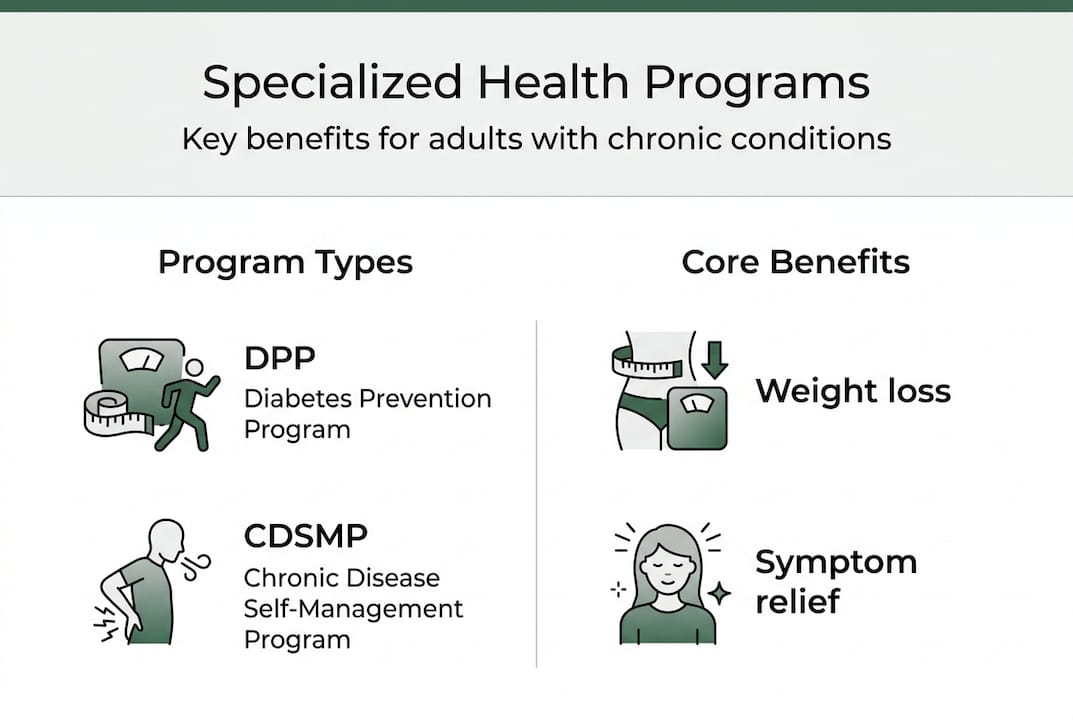
The DPP is one of the most widely studied interventions in preventive health. It targets adults at high risk for type 2 diabetes, particularly those with prediabetes (blood sugar levels higher than normal but not yet in the diabetic range). The program focuses on achieving a 5 to 7 percent reduction in body weight through structured lifestyle changes. The evidence behind it is striking: DPP reduces diabetes risk by 58 percent overall, and by 71 percent for adults over age 60. These are not minor improvements. They represent real, measurable reductions in the risk of a condition that affects millions of Americans.
Chronic Disease Self-Management Program (CDSMP)
The CDSMP is a community-based program designed to help adults with any ongoing chronic condition manage symptoms, improve quality of life, and reduce healthcare utilization. Research shows it improves health status in areas like fatigue, pain, and depression, and it has been shown to save healthcare costs in the first year alone. It is accessible, practical, and suitable for adults managing multiple conditions at once.
Chronic Care Management (CCM)
CCM is a Medicare-covered service for patients with two or more chronic conditions. It provides between 20 and 60 minutes of monthly non-face-to-face care coordination, which includes medication management, care plan updates, coordination between specialists, and proactive outreach from your care team. It fills the gap between in-person visits and helps prevent the health problems that arise when conditions are not actively monitored.
Chronic Special Needs Plans (C-SNPs)
C-SNPs are specialized Medicare Advantage plans designed for people with severe or disabling chronic conditions. They offer targeted benefits, networks of specialist providers, and care coordination tailored to specific diagnoses.
| Program | Who it serves | Key goal | Proven outcome |
|---|---|---|---|
| DPP | Adults with prediabetes | Weight loss, lifestyle change | 58% reduction in diabetes risk |
| CDSMP | Adults with any chronic condition | Self-management skills | Improved health status, cost savings |
| CCM | Medicare patients with 2+ conditions | Care coordination | Fewer hospitalizations |
| C-SNPs | Medicare patients with severe conditions | Specialized benefit structure | Tailored condition management |
You can learn more about diabetes prevention programs and chronic care management programs available right here for North Bergen and Secaucus residents. Choosing the right program starts with understanding your diagnosis, your Medicare or insurance coverage, and your personal health priorities.
Individualized care: Balancing guidelines and personal needs
Specialized programs use evidence-based guidelines as their foundation, but effective care means adapting those guidelines to the individual in front of you. This is one of the most important and often overlooked aspects of chronic care.
Consider the difference between a stable condition and a progressive one. Hypothyroidism, for example, is typically stable once treated with the correct medication dose. Management focuses on regular monitoring and medication adjustments. Parkinson’s disease, by contrast, is progressive: the care plan must evolve as symptoms change, and the team supporting you may need to expand over time to include neurologists, physical therapists, and speech pathologists.
Here is how individualized care typically unfolds in a well-designed program:
- Initial assessment: Your care team reviews your full medical history, current medications, existing diagnoses, functional status, and personal goals before building a care plan.
- Comorbidity review: If you have more than one chronic condition, your team must account for how those conditions interact. For example, a high-intensity exercise plan suitable for a healthy adult may need modification for someone managing both heart failure and type 2 diabetes.
- Age-appropriate benchmarks: Older adults often benefit most from programs like the DPP, but targets and timelines are adjusted to reflect realistic, safe goals. What is achievable at 45 may differ from what is achievable at 75.
- Verification for Medicare programs: Programs like chronic care management and C-SNPs require physician verification to confirm eligibility. Your doctor must document your diagnoses and confirm that the program is medically appropriate for you. C-SNPs require Medicare verification to ensure patients are connected to the right level of specialized support.
Pro Tip: Before your next appointment, write down all of your current diagnoses and the medications you take. Bring this list to your care team and ask specifically whether you qualify for a structured chronic care or prevention program. This one conversation can open doors to support you may not have known was available.
The local team at our multidisciplinary care specialties understands that no two patients are the same. Your care plan should reflect your individual health picture, not just a general protocol pulled from a textbook.
Teamwork and self-management: Keys to success
Even the best-designed program will not produce results without two essential ingredients: a coordinated care team and an engaged patient. Both sides matter more than most people realize.
The Wagner Chronic Care Model, a widely referenced framework in chronic disease management, identifies six elements that must work together for a program to succeed. These include community resources, health system organization, self-management support, delivery system design, decision support, and clinical information systems. Medication adherence is one element of this model, but it is far from the only one. A patient who takes every medication as prescribed but lacks access to nutrition support or mental health care may still struggle to manage their condition effectively.
Your care team’s responsibilities in these programs typically include:
- Coordinating communication between your primary care doctor and any specialists
- Updating your care plan as your condition changes
- Reaching out proactively between visits when monitoring data raises a concern
- Connecting you to community resources like transportation assistance, food support programs, or fitness classes designed for adults with chronic conditions
Your responsibilities as a patient are equally important. Active involvement means more than just showing up to appointments. It means tracking your own symptoms, following through on lifestyle recommendations, communicating openly with your care team, and asking questions when you are unsure about your care plan.
“The most successful patients in chronic care programs are not necessarily the ones who are healthiest at the start. They are the ones who stay engaged, ask questions, and take small, consistent steps toward their goals.”
One real risk in specialized programs is fragmentation. When multiple specialists are involved and communication between them is incomplete, patients can receive conflicting instructions or have gaps in their care. Coordinated programs that use shared records and team-based communication reduce this risk significantly. You can review steps for better self-management to understand what active participation looks like in practice. A local health program guide can also help you navigate the specialized care options available in your community.
Pro Tip: Ask your care coordinator for a written summary of your care plan after each program milestone. Having a clear, written reference helps you stay on track and ensures that every provider on your team is working from the same information.
What most programs miss: Individual goals, local realities
Most discussions about specialized health programs focus on clinical benchmarks. An HbA1c below 7 percent for diabetes. At least 150 minutes of moderate physical activity per week. These are important targets, and they are backed by strong evidence. But in our experience working with adults in North Bergen and Secaucus, the programs that produce lasting results are the ones that go further.
Take heart failure management as an example. Proactive weight monitoring prevents crises: gaining more than two pounds in a single day can signal dangerous fluid retention, and catching that trend early is what keeps patients out of the emergency room. That level of monitoring requires both clinical support and patient buy-in. A patient who understands why daily weight tracking matters is far more likely to do it consistently.
The same applies to activity benchmarks. Telling an older adult with arthritis and diabetes to achieve 150 minutes of weekly exercise is correct by the guidelines, but it needs to be paired with a plan that fits their reality: their mobility level, their neighborhood, their schedule, and their confidence. Adjusting for multimorbidity, the presence of multiple conditions at once, is where experienced local programs make their biggest impact.
Our advice for local adults: go beyond accepting a general program enrollment. Ask your care team specifically about personalized monitoring targets, not just the standard clinical goals. Ask how your program accounts for all of your conditions together, not just the primary diagnosis. That conversation is where the real value of smarter diabetes prevention and chronic care management is found.
Explore local support for specialized health programs
If you are ready to move from learning to acting, Garden State Medical Group offers specialized programs designed for adults right here in North Bergen and Secaucus. Whether you are newly diagnosed, managing multiple conditions, or focused on prevention, there is a program structured for your needs.
Getting started is straightforward. You can schedule a consultation to discuss eligibility for chronic care management, review your options for diabetes prevention and education, or simply explore everything available by reviewing all see all specialized health programs in one place. Our team accepts most major insurance plans and can help you understand what is covered before your first appointment.
Frequently asked questions
Who can join a specialized health program in North Bergen or Secaucus?
Most adults with chronic conditions like diabetes or heart disease can join after an assessment by a care provider to confirm eligibility and identify the right program.
How are specialized programs different from regular medical visits?
They provide structured ongoing support with multidisciplinary teams, personalized education, and regular health monitoring that goes well beyond what a standard appointment can deliver.
What chronic conditions do these programs address?
These programs target conditions including diabetes, heart disease, COPD, and others like hypothyroidism or Parkinson’s, depending on the program type and your clinical profile.
Are Medicare recipients eligible for chronic care management programs?
Yes. CCM covers Medicare patients with two or more chronic conditions, providing monthly care coordination between office visits to help prevent complications.
What results can I expect from joining one of these programs?
DPP reduces diabetes risk by 58 percent, while programs like CDSMP improve fatigue, pain, and overall health status, often reducing hospital visits and improving daily functioning within the first year.