
What Is Chronic Condition Monitoring? Your Guide
TL;DR:
- Chronic condition monitoring involves continuous tracking of health indicators to proactively manage long-term illnesses. It relies on connected devices, behavioral strategies, and active patient-care team communication to detect early changes and prevent complications. Successful management requires consistent habits, personalized approaches, and patient engagement beyond just data collection.
Chronic condition monitoring is the continuous tracking and evaluation of health indicators to manage long-term illnesses effectively. The CDC defines chronic conditions as health issues lasting at least one year that require ongoing medical attention or limit daily activities. For anyone living with diabetes, heart disease, COPD, or hypertension, understanding what is chronic condition monitoring means understanding how to stay ahead of your health rather than reacting to crises. This guide covers the technology behind it, the behavioral strategies that make it work, and the practical steps you can take today to manage your condition with greater confidence. Learning more about health monitoring basics is a strong starting point.
What is chronic condition monitoring and how does it work?
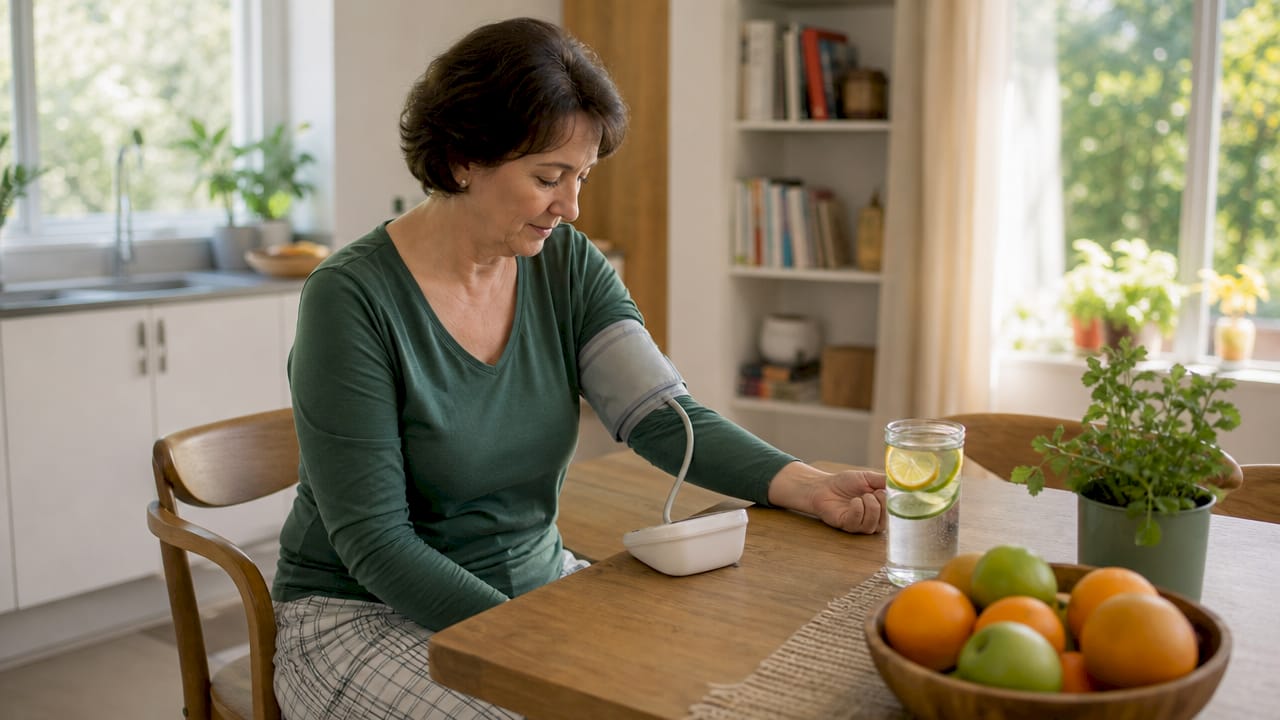
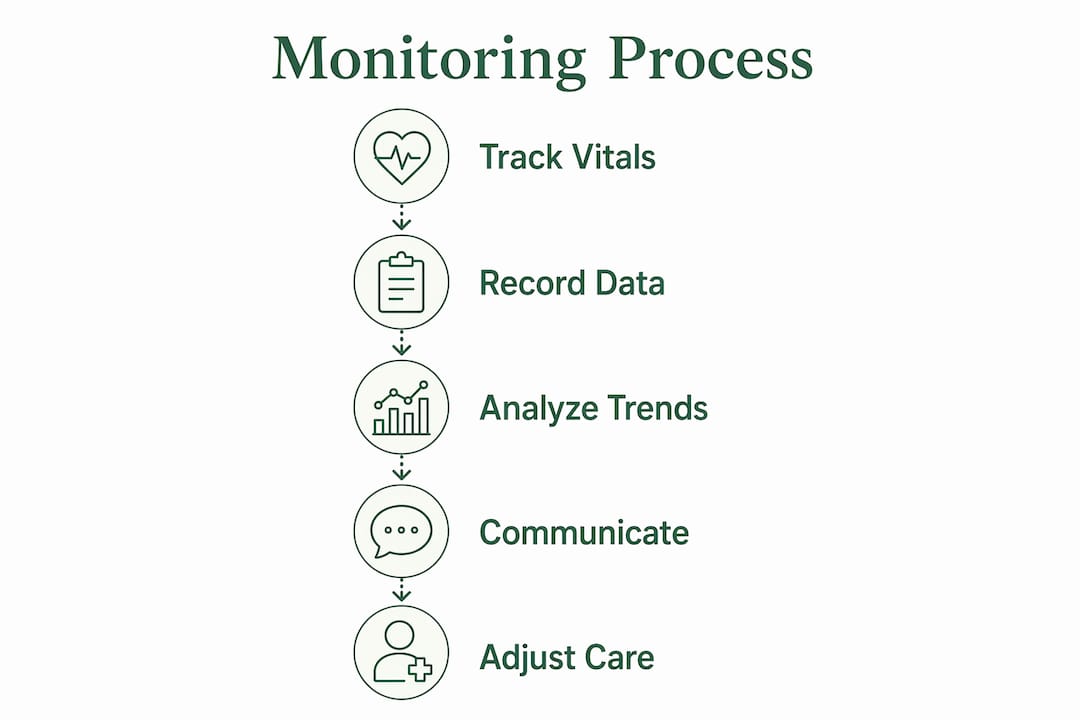
Chronic condition monitoring, also called remote patient monitoring or chronic care management, is a structured process where connected devices collect your health data and transmit it to clinical staff who review it for concerning trends. Remote monitoring uses connected devices that send readings to centralized platforms, where care teams track patterns over time and intervene before small changes become serious problems. This is not the same as waiting for your next appointment and hoping nothing has changed.
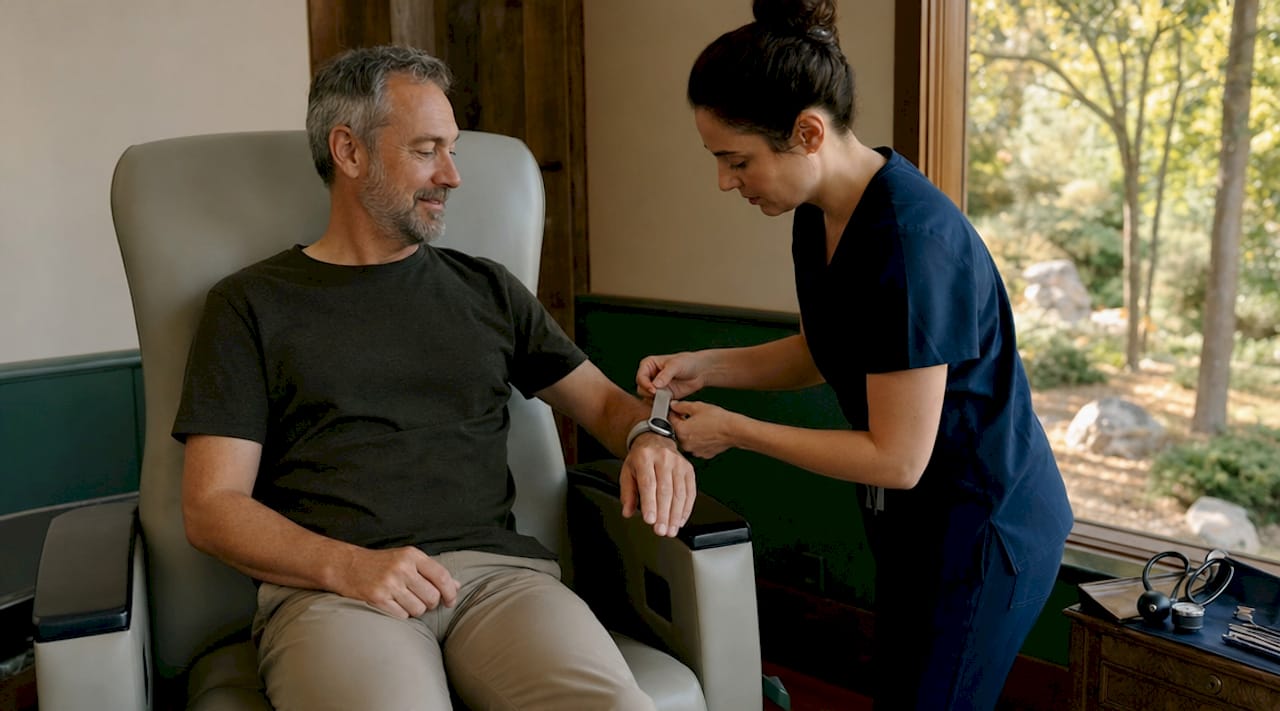
The technology side of this process typically involves wearable devices and home monitoring tools. These include blood pressure cuffs, continuous glucose monitors, pulse oximeters, and digital weight scales. Each device captures a specific data point, and together they build a picture of your daily health status that no single office visit could replicate.
Clinical staff do not simply receive raw numbers. They review trends across days and weeks, looking for patterns that suggest your condition is shifting. Symptom evaluations through nurse triage complement this data review, adding a human layer of judgment to what the numbers suggest. A spike in blood pressure on one morning means something different than a steady upward trend over two weeks.
It is worth being clear about what monitoring does not do. Remote monitoring supplements, not replaces, physical examinations and clinical judgment. Your care team still needs to see you in person to assess things that no device can measure. Think of monitoring as the ongoing conversation between visits, not a substitute for them.
- Wearable devices track vitals like heart rate, oxygen saturation, and activity levels continuously
- Home monitoring tools such as blood pressure cuffs and glucose meters capture condition-specific data
- Telemonitoring platforms aggregate your data and flag readings outside your personal target range
- Nurse triage and clinical review interpret trends and determine when an intervention is needed
Pro Tip: Measure your vitals at the same time each day. Morning readings before eating or activity tend to be the most consistent and give your care team the cleanest data to work with.
What behavioral strategies improve adherence to monitoring?
Technology alone does not produce better health outcomes. The research is clear: behavior change techniques like goal setting and graded tasks significantly improve adherence to chronic disease management plans across more than 57,500 study participants. Knowing which strategies actually work gives you a real advantage in staying consistent.
The following evidence-backed approaches are the most effective for sustaining long-term monitoring habits:
-
Goal setting with your care team. Specific, realistic targets, such as keeping your systolic blood pressure below 130 mmHg, give your daily readings meaning. Vague intentions do not drive consistent behavior the way concrete goals do.
-
Graded tasks. Starting with one daily measurement and adding complexity over time prevents overwhelm. Patients who try to monitor everything at once often disengage within weeks.
-
Social support. Involving a family member or friend in your monitoring routine increases accountability. Studies show that patients with active social support maintain monitoring habits longer than those working alone.
-
Self-monitoring with feedback loops. Reviewing your own data weekly, not just waiting for your provider to flag something, builds health literacy and confidence. Providers use proactive small adjustments informed by monitoring data to prevent crises, but you can spot trends too.
-
Motivational interviewing. Motivational interviewing improves health markers such as BMI and cholesterol by using collaborative communication rather than directive persuasion. When your care team asks what matters to you rather than telling you what to do, your intrinsic motivation to stay engaged increases substantially.
Ongoing coaching differs from a one-time education session in a critical way. A single class on diabetes management teaches you facts. Continuous coaching, delivered through regular check-ins and data reviews, builds the habits and confidence that sustain those facts over months and years. Chronic disease management tips that incorporate these behavioral techniques consistently outperform purely technology-focused approaches.
Pro Tip: Ask your care team to share a simple weekly summary of your data trends. Seeing your own progress in plain language, not just raw numbers, is one of the most effective motivators for staying consistent.
How to monitor specific chronic conditions
Different conditions require different monitoring priorities. The table below outlines the key metrics, tools, and measurement practices for the most commonly managed chronic diseases.
| Condition | Key metrics to track | Primary tools | Best practice |
|---|---|---|---|
| Diabetes | Blood glucose, HbA1c, dietary intake | Continuous glucose monitor, food diary | Test at consistent times: fasting, post-meal, and bedtime |
| Hypertension | Systolic and diastolic blood pressure | Digital blood pressure cuff | Measure in the morning before medication and activity |
| Heart failure | Daily weight, blood pressure, heart rate | Digital scale, blood pressure monitor | Weigh yourself every morning; report a gain of 2+ lbs in 24 hours |
| COPD | Oxygen saturation, respiratory rate, symptom severity | Pulse oximeter, symptom log | Log symptoms daily; track triggers like weather or activity level |
| Arthritis | Pain level, joint mobility, fatigue | Pain scale journal, mobility tracker | Rate pain at the same time daily to identify patterns over weeks |
Standardized timing of vitals collection is critical for data accuracy and effective clinical response. When you measure your blood pressure at random times throughout the day, the readings reflect dozens of variables: stress, caffeine, posture, recent activity. Measuring at the same time each day strips away that noise and gives your care team data they can actually use.
Deterioration in chronic conditions usually occurs gradually, which means early detection through consistent monitoring shifts your care from reactive to proactive. For heart failure patients, catching a two-pound overnight weight gain early can prevent a hospitalization. For COPD patients, noticing a drop in oxygen saturation before breathlessness becomes severe can prompt a medication adjustment that avoids an emergency room visit.
Remote monitoring enables personalization of treatment plans based on real-time data rather than relying on occasional checkups. This leads to faster, more accurate adjustments that are grounded in your actual daily health, not a snapshot from a single office visit.
What practical steps optimize your daily monitoring routine?
Knowing the importance of chronic condition tracking is one thing. Building the habits that make it sustainable is another. These steps give you a clear path to more consistent, effective self-monitoring.
-
Establish a fixed daily routine. Tie your measurements to an existing habit, such as taking your readings right after brushing your teeth each morning. Habit stacking reduces the mental effort required to stay consistent.
-
Understand your own data. Do not just collect numbers. Learn your personal target ranges for each metric and know what a concerning reading looks like for your specific condition. Patient-centered monitoring emphasizes individual health literacy as a core component of effective management.
-
Report symptoms promptly. Data from devices captures objective measurements, but your subjective experience matters equally. Fatigue, shortness of breath, or unusual swelling should be communicated to your care team between scheduled check-ins, not saved for your next appointment.
-
Set realistic goals aligned with your clinical plan. Your provider’s targets for your blood pressure or glucose are not arbitrary. They are calibrated to your specific history, medications, and risk profile. Work within those targets rather than comparing yourself to general population averages.
-
Avoid inconsistent data collection. Data inconsistency, such as varying measurement times, can obscure trends and hinder clinical interpretation. Missing three days of readings and then measuring five times in one day does not produce usable data.
Two-way communication with your care team is the piece most patients underestimate. Monitoring is not a one-way data upload. You need to ask questions, share what you are noticing, and understand what your provider is seeing in your trends. That conversation is where the real value of chronic condition tracking lives.
Key takeaways
Effective chronic condition monitoring combines consistent daily data collection, evidence-based behavioral strategies, and active two-way communication with your care team to shift care from reactive to proactive.
| Point | Details |
|---|---|
| Clear definition matters | Chronic conditions last 1+ year; monitoring means continuous tracking of health indicators, not just occasional checkups. |
| Technology needs behavior | Wearable devices and telemonitoring platforms only work when paired with consistent habits and patient engagement. |
| Condition-specific approach | Each condition, from diabetes to COPD, requires its own set of metrics, tools, and measurement timing. |
| Behavioral strategies drive adherence | Goal setting, graded tasks, and motivational interviewing are proven techniques for sustaining long-term monitoring. |
| Consistency is the foundation | Measuring at the same time daily reduces data noise and gives your care team the accuracy needed to act early. |
Why monitoring is an active partnership, not a passive task
I have worked with patients who believe that wearing a monitoring device or logging their blood pressure means they are done. The device does the work; the provider reviews it; health improves. That assumption is the single biggest barrier to getting real value from chronic condition monitoring.
Active participation by patients is pivotal beyond just wearing monitoring devices. The patients who see the best outcomes are the ones who review their own data, ask their care team specific questions, and treat each reading as information rather than a chore. They notice when their morning blood pressure has been creeping up for a week and bring it up before their provider has to flag it.
What I find most underappreciated is the difference between one-time patient education and ongoing coaching. A pamphlet about managing heart failure tells you what to do. A care team that reviews your daily weight trends with you, adjusts your diuretic dose based on what they see, and checks in when your readings shift, teaches you how your body actually responds. That is a fundamentally different kind of learning.
The most effective monitoring relationships I have seen share one quality: the patient understands their own data well enough to have a real conversation about it. You do not need to be a clinician. You need to know your target ranges, recognize a concerning pattern, and feel confident enough to report it. That confidence comes from consistent engagement, not from any single device or app. Explore primary care tips for chronic conditions to build that foundation with your care team.
— Krunal
How Garden State Medical Group supports your chronic condition monitoring
Garden State Medical Group, serving patients in North Bergen and Secaucus, New Jersey, offers a multidisciplinary approach designed specifically for people managing long-term health conditions.
Their primary care services provide the clinical foundation for monitoring chronic conditions, with physicians who coordinate your care across specialties and track your health trends over time. For patients managing heart or lung conditions, the cardiopulmonary care specialty offers focused monitoring and management for hypertension, heart failure, and COPD. Patients working to prevent or manage diabetes can access the Diabetes Prevention and Education Program, which combines glucose monitoring guidance with lifestyle coaching. Contact Garden State Medical Group to learn which program fits your needs.
FAQ
What is the definition of chronic condition monitoring?
Chronic condition monitoring is the ongoing process of tracking health indicators, such as blood pressure, glucose, or oxygen levels, for conditions lasting one year or more. The goal is to detect changes early and adjust care plans before problems escalate.
What tools are used for chronic disease monitoring?
Common tools include continuous glucose monitors, digital blood pressure cuffs, pulse oximeters, digital scales, and telemonitoring platforms that transmit data to clinical staff. The right combination depends on your specific condition and care plan.
How does remote patient monitoring differ from a regular checkup?
Remote patient monitoring captures daily health data between office visits, giving your care team continuous visibility into your condition. A regular checkup provides a single snapshot, while monitoring reveals trends that develop over days or weeks.
Why is consistent timing important when monitoring chronic conditions?
Measuring vitals at the same time each day removes variables like recent activity, stress, or food intake that can distort readings. Consistent timing produces cleaner data, which makes it easier for your care team to spot genuine changes.
How can behavioral strategies improve chronic disease management?
Techniques like goal setting, graded tasks, and motivational interviewing are proven to improve adherence to monitoring routines and chronic disease management plans. These strategies build the habits and confidence needed to stay engaged over the long term.